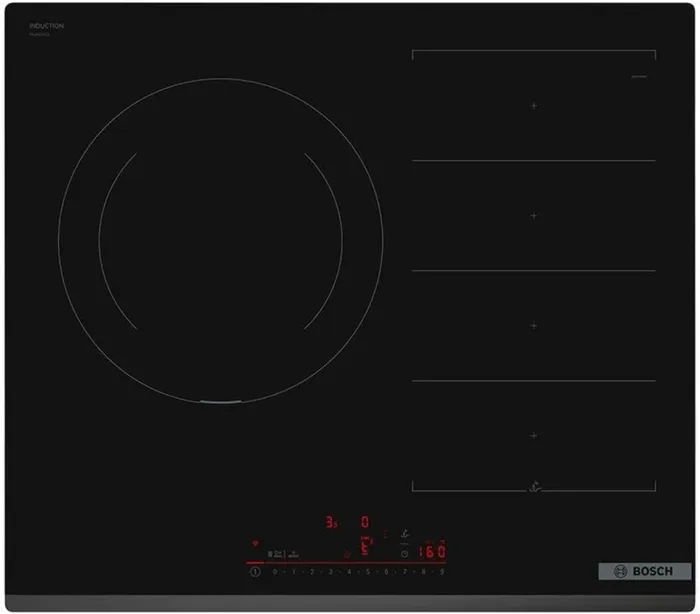
Why 60cm is the standard size
If you've looked at induction hobs, you'll have noticed that almost every range includes a 60 cm model, often as its bestseller. There's a simple reason: 60 cm matches the standard worktop cut-out used across most UK kitchens, so it drops into the space an old gas or ceramic hob leaves behind without major joinery. Pair that with four cooking zones, enough to run a couple of pans plus a sauce and a kettle-pan, and you have a format that fits both the worktop and the way a normal household cooks.
Bigger 70 cm to 90 cm hobs exist for keen cooks who want more zones or a flexible cooking area, and smaller domino hobs suit tight kitchens or a second worktop, but those are answers to specific needs. For the great majority of kitchens, the 60 cm four-zone hob is the natural default, which is exactly why five of our six picks are this size.
Our top 60cm induction hobs
Among the 60 cm hobs we tested, three stand out for the buyers most people fall into:
- Best overall: the Bosch Series 6 PUE611BB5B. Fast, accurate TouchSelect controls, PowerBoost on every zone, and the best reliability record in this group. The hob we'd fit in most kitchens.
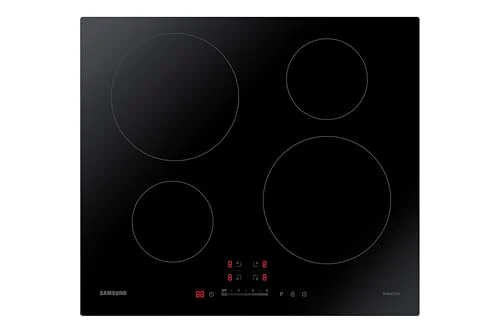
- Best value: the Samsung NZ64H37070K. A full four-zone hob from a major brand with 15 power levels and a handy pause function, for noticeably less than the premium models.
- Best budget: the Beko HII64200MT. Genuine induction speed and precision with the safety features you need, at the keenest price here.
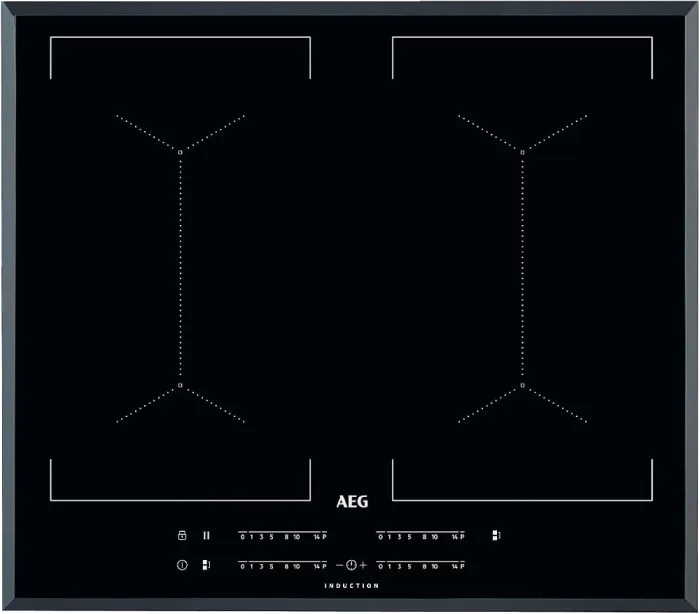
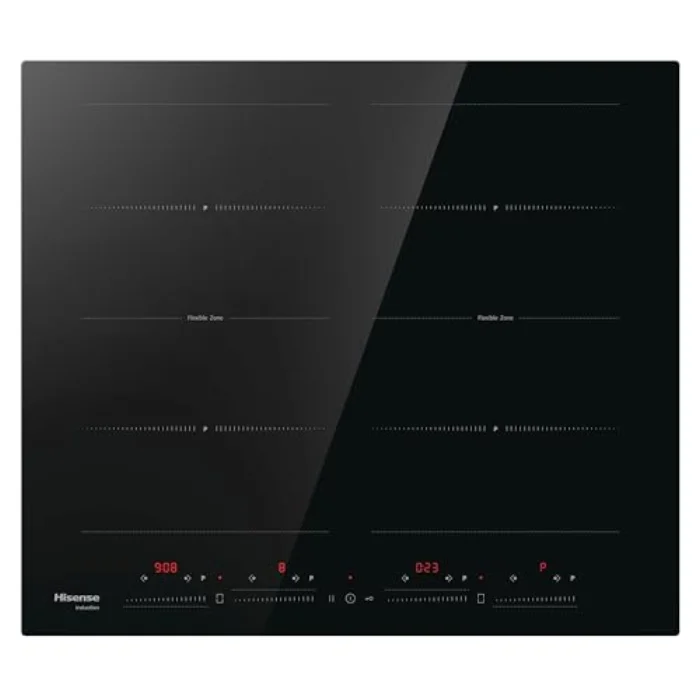
If you cook a lot and want more, the AEG IKB64431XB adds a bridge zone for long pans, and the Hisense I6433C puts boost on all four zones for the fastest multi-pan cooking. All five fit the standard 60 cm cut-out, so the choice comes down to budget and which extras you'll actually use, as we set out in the full buying guide.
Will a 60cm hob fit your cut-out?
Usually, but "60 cm" is a nominal size rather than a guarantee, so always check before you order. The figure refers to the overall width of the glass, while the dimension that matters for fitting is the cut-out aperture the hob needs in the worktop, and that varies by a few millimetres between models. Find the exact cut-out dimensions in the hob's manual or spec sheet and measure your existing aperture against them before buying.
If you're replacing an old 60 cm gas or ceramic hob, an induction hob of the same nominal size will normally drop into the existing hole, which keeps the job simple. The bigger consideration is usually electrical, not physical: even where the hob fits the cut-out, the supply may need upgrading to a dedicated circuit, because induction hobs draw more power than a standard socket provides. Plan that with a qualified electrician before you commit, as covered in our buying guide.